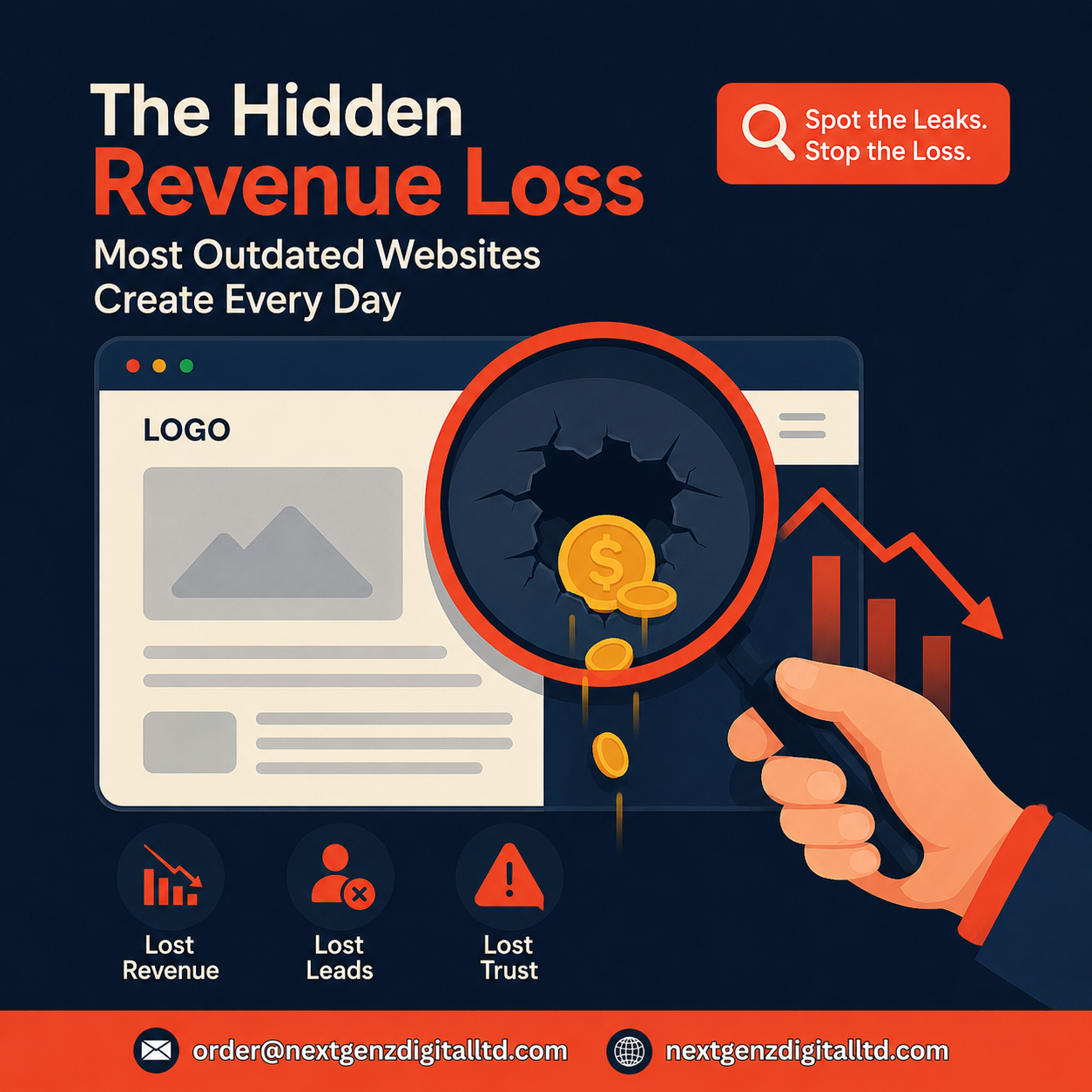

Many business owners focus heavily on attracting new customers. They invest in advertising, social media marketing, search engine optimization, networking, referrals, and sales activities. Significant effort goes into generating visibility and bringing potential customers toward the business. Yet there is an important question that often goes unasked: What happens after those potential customers arrive on the website? For many businesses, the answer reveals a hidden problem. While marketing campaigns continue driving visitors, an outdated website may be quietly reducing conversions, weakening trust, and creating barriers that prevent prospects from taking the next step. Unlike obvious business expenses, this loss rarely appears on financial statements. There is no invoice labeled “lost opportunities” or “missed customers.” Instead, the impact remains hidden beneath everyday operations, gradually affecting growth without attracting immediate attention. This invisible revenue loss is one of the most overlooked consequences of maintaining an outdated website.
Why Revenue Loss Often Goes Unnoticed
Most businesses measure what they can easily see. They track advertising budgets, website traffic, social media engagement, and sales performance. While these metrics are important, they do not always reveal what is happening between a visitor arriving on a website and deciding whether to become a customer. When a website is outdated, visitors rarely explain why they leave. They do not complete feedback forms describing poor navigation, nor do they send emails explaining that the design felt outdated or that information was difficult to find. Instead, they simply leave. From a business perspective, nothing appears unusual. Traffic may still be arriving, and marketing campaigns may still be running. Yet behind the scenes, valuable opportunities are slipping away every day.
The Difference Between Traffic and Results
A common misconception is that website traffic automatically translates into business growth. In reality, traffic is only the beginning of the customer journey. A website’s role is to guide visitors toward meaningful actions such as submitting an inquiry, scheduling a consultation, requesting a quote, making a purchase, or contacting the business. If visitors arrive but fail to take these actions, traffic alone provides limited value. An outdated website can create friction at every stage of this process, reducing the likelihood that visitors will convert into customers.
How Outdated Websites Affect Customer Decisions
Modern consumers make decisions quickly. Within seconds of arriving on a website, visitors begin forming opinions about professionalism, credibility, and trustworthiness. These judgments are influenced by factors that businesses sometimes overlook.
Outdated Design Creates Doubt
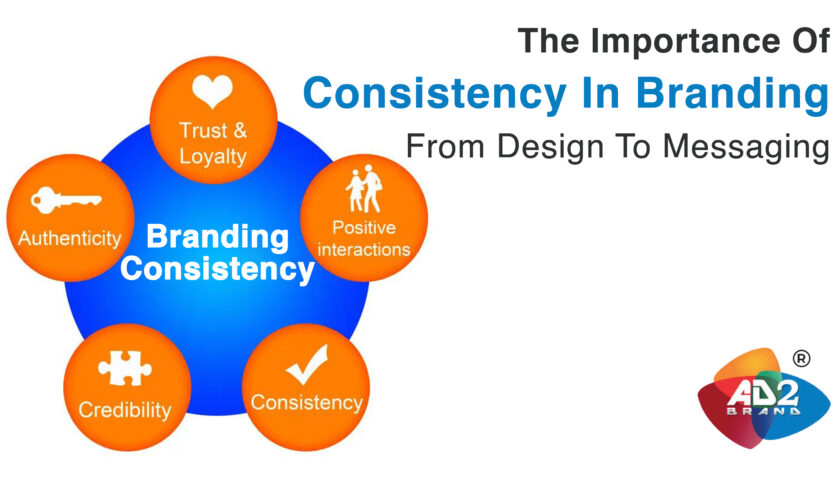
First impressions matter. A website that appears outdated may unintentionally suggest that the business itself is behind the times. Visitors may question whether the company is active, whether information is accurate, whether customer service standards are current, and whether the business invests in quality. Even when these assumptions are incorrect, perception often influences purchasing decisions. Trust is difficult to earn and easy to lose.
Slow Performance Reduces Engagement
Today’s consumers expect speed. When pages load slowly, visitors often become impatient. Research consistently shows that delays increase abandonment rates and reduce engagement. What begins as a few seconds of waiting can ultimately become a lost customer.
Difficult Navigation Creates Frustration
Visitors arrive with specific goals and want answers quickly. If menus are confusing, information is buried, or the user journey feels complicated, frustration can develop rapidly. When finding information requires too much effort, many visitors choose a simpler alternative. Unfortunately, that alternative is often a competitor.
The Hidden Cost of Lost Trust
Revenue loss is not always immediate. Sometimes the impact begins with trust. A visitor may discover a business through a search engine, advertisement, or recommendation and may even be genuinely interested in the products or services being offered. However, if the website experience feels inconsistent with modern expectations, hesitation begins to develop. The visitor may continue researching competitors, delay making a decision, seek additional validation elsewhere, or leave entirely. Although no transaction was lost in that moment, the opportunity often disappears permanently. Over time, these small trust-related losses accumulate into substantial business challenges.
Why Mobile Users Magnify the Problem
Mobile devices now dominate online activity. For many businesses, the majority of website visitors arrive through smartphones rather than desktop computers. This shift has significantly changed customer expectations. Mobile users expect fast loading pages, easy navigation, clear content, responsive layouts, and simple contact options. An outdated website may technically function on mobile devices while still providing a poor user experience. Buttons may be difficult to tap, text may be difficult to read, and forms may feel frustrating to complete. As a result, potential customers abandon the process before taking action. The revenue loss remains invisible, but the impact continues growing.
The Compounding Effect Over Time
One lost visitor may not seem significant, and neither does one missed inquiry. However, the cumulative effect becomes substantial when these losses occur every day. Consider a business that loses only a few potential leads each week because of website-related friction. Over the course of a year, those missed opportunities can represent hundreds of potential customers, significant revenue, new referrals, repeat business opportunities, and long-term customer relationships. Because these customers never converted, many businesses never realize what was lost. This is what makes outdated websites particularly expensive. The costs remain hidden.
Warning Signs Businesses Often Overlook
Revenue loss caused by outdated websites usually leaves subtle clues.
Declining Conversion Rates
Traffic remains stable, but inquiries decrease. Visitors arrive, yet fewer take meaningful action. This often indicates problems within the website experience itself.
Increased Bounce Rates
Visitors leave quickly without exploring multiple pages. This behavior can signal frustration, confusion, or lack of engagement.
Reduced Search Visibility
Search engines increasingly prioritize user experience. Websites that fail to meet modern standards may gradually lose rankings over time.
Lower Customer Engagement
Users spend less time exploring services, resources, and information. Reduced engagement often suggests that visitors are not finding sufficient value within the website experience.
Why Modern Websites Focus on Conversion
Today’s most effective websites are designed with clear business objectives in mind. Rather than serving as static digital brochures, they function as active business assets. Modern website strategies focus on building trust quickly, simplifying customer journeys, improving mobile experiences, increasing conversion rates, supporting SEO performance, delivering valuable content, and creating measurable business outcomes. The goal is not simply attracting visitors; the goal is helping visitors become customers.
Continuous Improvement Matters
Customer expectations continue evolving. Technology changes, search engine algorithms adapt, and competitive landscapes shift. As a result, successful businesses view website development as an ongoing process rather than a one-time project. Regular improvements help ensure that websites continue supporting growth rather than quietly limiting it.
Looking Beyond Visible Costs
Most business expenses are easy to identify. Advertising budgets appear in reports, software subscriptions generate invoices, and operational costs are clearly documented. Website-related revenue loss is different. Its impact is measured through opportunities that never materialize—potential customers who never inquire, sales that never occur, and relationships that never begin. Because these losses remain invisible, they are often underestimated. Yet for many businesses, they represent one of the largest untapped opportunities for growth.
Thoughtful Support Starts With the Right Conversation
Many businesses assume declining performance requires larger marketing budgets or more aggressive sales efforts. Sometimes those solutions are necessary. Sometimes, however, the challenge begins much earlier in the customer journey. It begins with the website experience. Understanding how visitors interact with a website can reveal opportunities to improve trust, engagement, visibility, and conversions before investing additional resources elsewhere.
At Ad2Brand, the focus is on helping businesses identify the digital factors influencing growth. Through website development, SEO, digital marketing, performance analysis, and customer-focused strategies, organizations can uncover hidden opportunities that support long-term success.
Contact Ad2Brand
Address: Office Locations: Vishnu Dev Nagar, Pimpri Chinchwad, Pune – 411057 and City Vista, Kharadi, Pune – 411014.
Website: https://ad2brand.com/
Email: ad2brandmedia@gmail.com
Phone: 082084 23935
Sometimes meaningful business growth begins by identifying the opportunities that have quietly been slipping away unnoticed.